View product
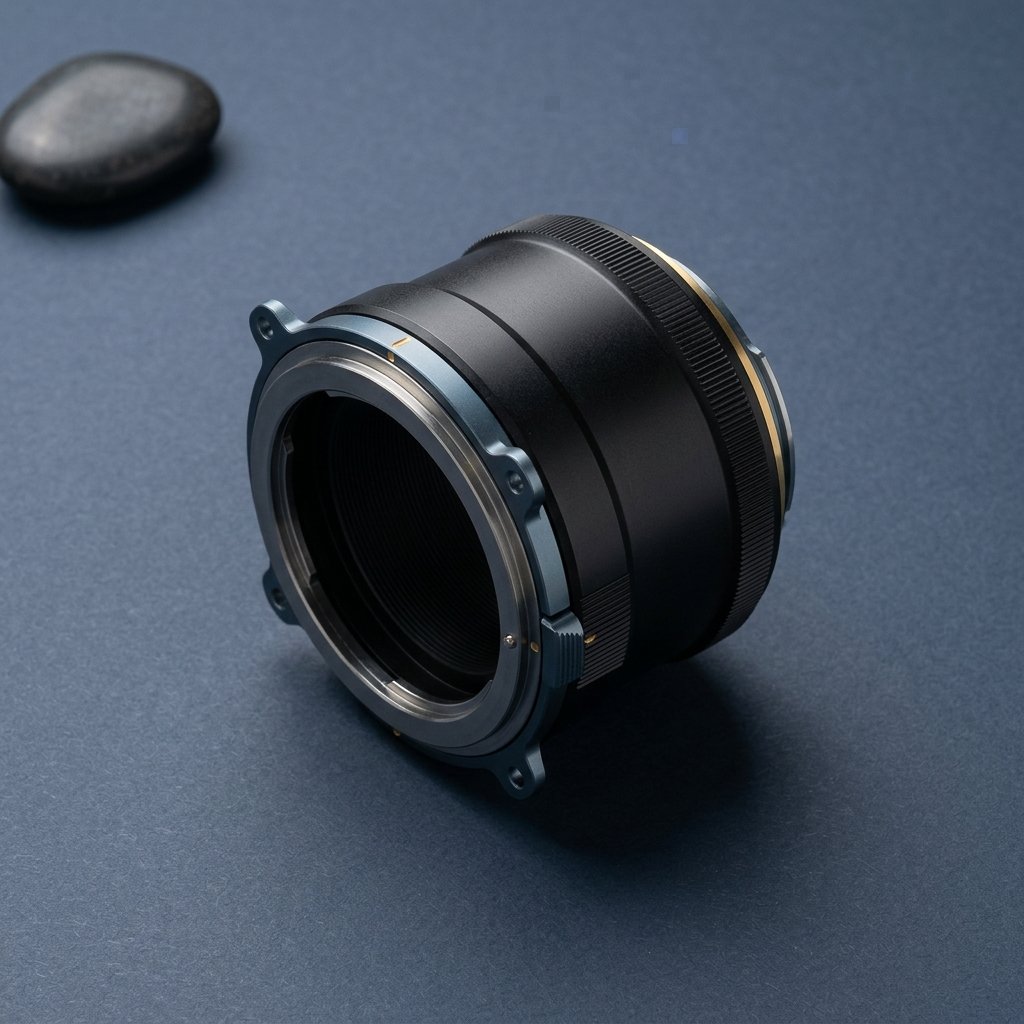
PL-to-LPL Lens Adapter
Mount PL-mount lenses on LPL-mount cinema cameras with correct optical alignment.
View productKnow Your Mounts
Understanding lens mount standards is essential for building a flexible camera package. This guide covers the most common cinema and photographic mounts, their flange focal distances, and the adapters that connect them.
View product
Mount PL-mount lenses on LPL-mount cinema cameras with correct optical alignment.
View product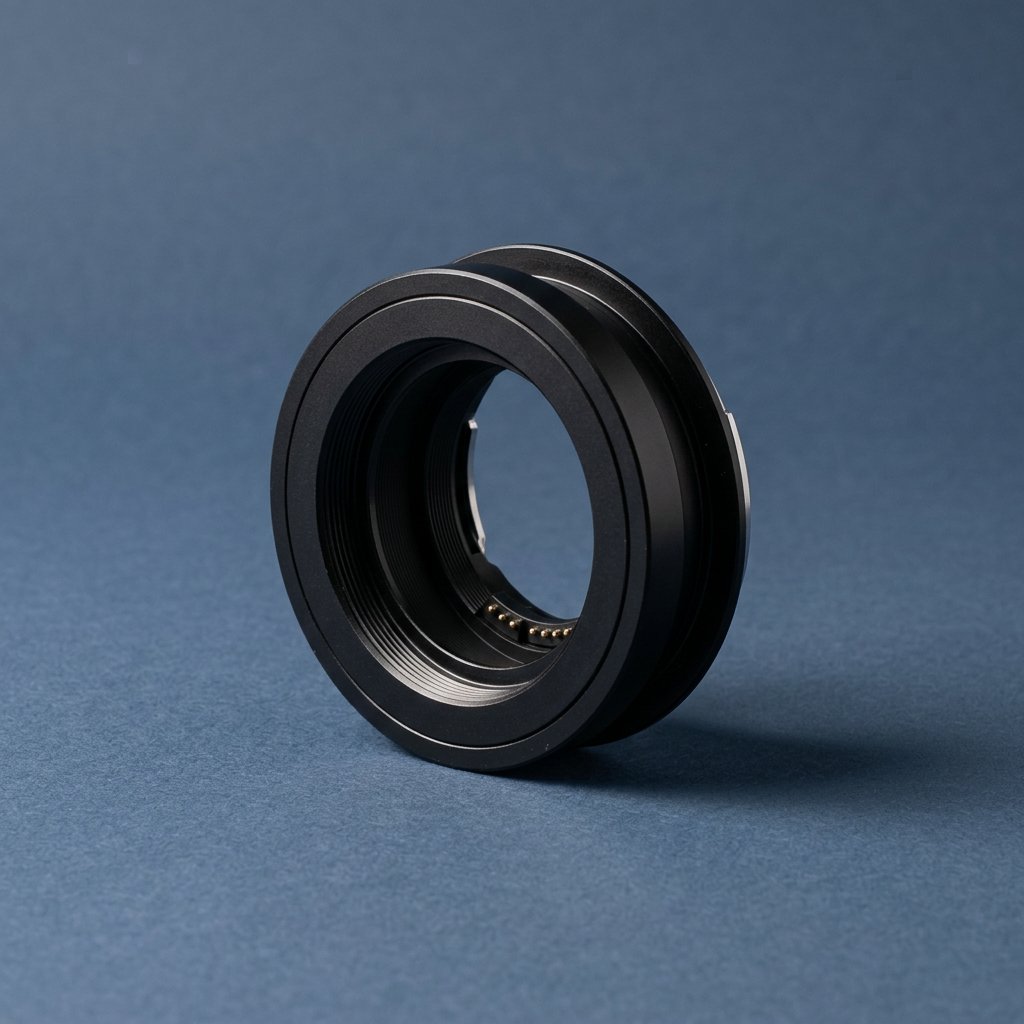
View product
Mount M42 screw-mount vintage lenses on Canon EF-mount cameras with correct infinity focus.
View productA lens mount standard defines the mechanical and electrical interface between a lens and a camera body. It specifies the bayonet or screw thread geometry, the flange focal distance — the distance from the mount face to the film or sensor plane — and, for electronic mounts, the communication protocol for aperture, autofocus, and image stabilisation control.
Flange focal distance is the most critical dimension for correct focus. If an adapter changes the effective flange distance, the lens will not achieve correct infinity focus, or will only focus at close distances. Precision adapters either maintain the correct flange distance mechanically, or include an optical correction element to compensate for the difference.
Cinema mounts such as PL and LPL are designed for manual-focus cinema lenses with external follow-focus gears. Photographic mounts such as EF, E-mount, Nikon F, and MFT are designed for autofocus lenses with electronic communication. Adapting between these categories requires careful attention to flange depth and, where applicable, electronic compatibility. The Cinelux range covers the most common combinations used in professional UK production.
A reference guide to the mount standards covered by the Cinelux product range.
The industry-standard cinema lens mount, used by ARRI, RED, and many other cinema camera manufacturers. PL lenses include Cooke, Zeiss, ARRI Master Primes, and most professional cinema glass. The positive-lock mechanism provides a secure, repeatable connection under the vibration and movement of production use.
ARRI's large-format cinema mount, introduced with the ALEXA LF and used on the ALEXA 35. The larger diameter supports the full image circle of large-format cinema lenses, and the shorter flange depth allows use of PL lenses via adapter. LPL is increasingly the standard for high-end large-format production.
Canon's photographic and cinema lens mount, used on EOS DSLRs and cinema cameras including the C300 and C500 series. EF lenses communicate aperture, autofocus, and image stabilisation electronically. The EF mount is widely adapted to other camera systems due to its large diameter and long flange depth.
Sony's mirrorless and cinema mount, used on the FX3, FX6, FX9, A7, and A9 series. The very short flange depth means almost any other lens mount can be adapted to E-mount without an optical correction element, making it one of the most versatile camera systems for adapted glass.
The open standard mirrorless mount used by Panasonic, Olympus, and Blackmagic Design. The short flange depth and 2x crop factor make MFT an excellent platform for adapted vintage and C-mount glass, with no vignetting from lenses designed for larger formats.
A screw-thread mount originally developed for 16mm cinema cameras and CCTV lenses. C-mount lenses are compact and often very fast, making them popular for creative use on MFT and other short-flange cameras. Image circle coverage varies — some C-mount lenses will vignette on MFT sensors.
Browse the full Cinelux range of precision lens mounts and adapters, or get in touch for compatibility advice tailored to your specific production requirements.
Related products
A few catalogue examples that connect the guidance, process, or service topic to the actual storefront.
Mount PL-mount lenses on LPL-mount cinema cameras with correct optical alignment.
£289.00
View product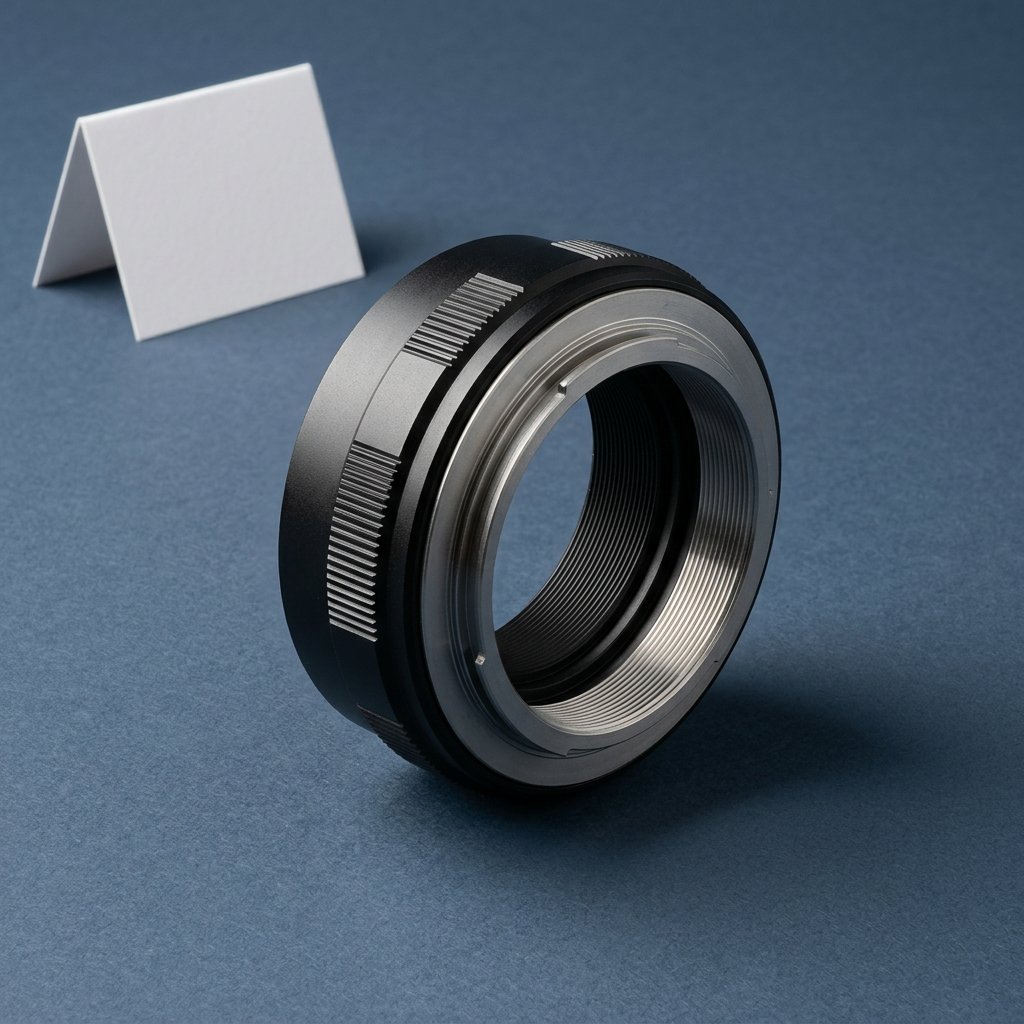
Use C-mount CCTV, cine, and industrial lenses on MFT cameras — compact and play-free.
£39.00
View product
Mount M42 screw-mount vintage lenses on Canon EF-mount cameras with correct infinity focus.
£49.00
View productBasket
0 items in cart
Your cart is saved in this browser until you clear it. Need help now? Contact us on +447782 196625.